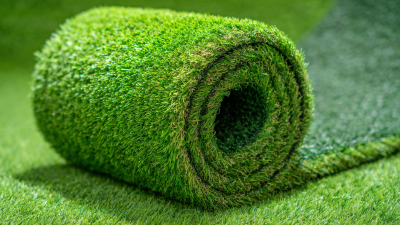
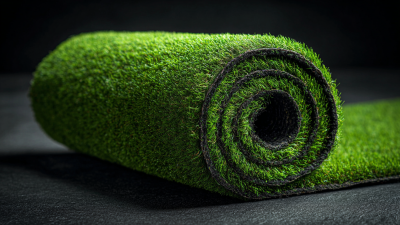
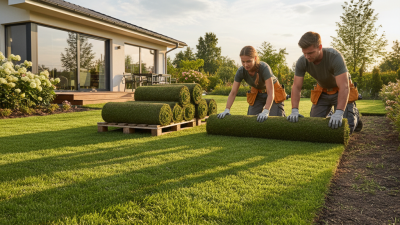
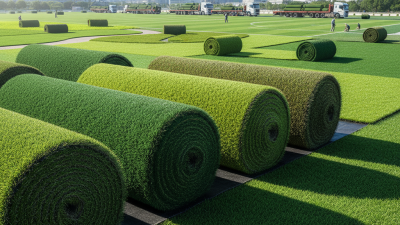
You know, Artificial Turf has really revolutionized the way we approach landscaping and lawn care. I recently read what John Anderson from Turf Solutions had to say—he mentioned thatArtificial Turf Roll is totally changing the game when it comes to outdoor spaces. It's pretty amazing how this product offers so many perks for homeowners—things like being low-maintenance and making your yard look better without much fuss.
One thing I think a lot of people appreciate is the water savings. Traditional grass lawns drink up tons of water, which isn’t ideal, especially in places dealing with droughts. On the other hand, artificial turf barely needs any watering, so it's a win for the environment and your water bill. Plus, since it's super durable, it can handle lots of foot traffic—great for busy yards or family gatherings.
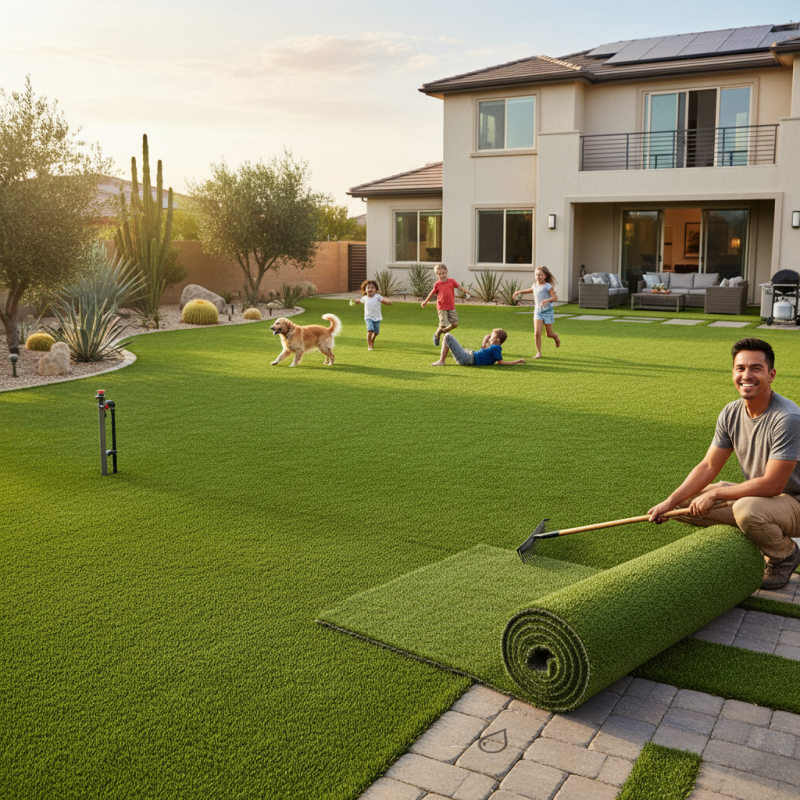
Now, I get it—some folks might be hesitant because of the upfront price. But honestly, when you think about the money you'll save in the long run on water and ongoing maintenance, it kind of evens out. And let’s not forget, the way artificial grass looks and feels can boost your home's value too. With more homeowners leaning towards eco-friendly options, going for an Artificial Turf Roll seems like a pretty smart move if you ask me.
Understanding Artificial Turf: What It Is and How It Works
Artificial Turfis a synthetic surface designed to resemble natural grass. It is commonly made from durable polyethylene fibers, providing a low-maintenance lawn alternative. Unlike natural grass, which requires regular mowing and watering, artificial turf remains vibrant year-round. Industry data from the Synthetic Turf Council reveals that Synthetic Grass can reduce water usage by up to 70%. This makes it an attractive option in areas facing water shortages.
Installation of artificial turf involves a careful layering process. The underlayer helps with drainage and support, while the turf itself is anchored to prevent shifting. This engineered approach ensures stability, even during harsh weather conditions. A recent report indicates that artificial turf fields have a lifespan of 10-15 years, making them a long-term investment. However, it is essential to recognize that some environmental concerns exist. Critics argue that the materials used may not biodegrade effectively, raising questions about sustainability.
Proper maintenance of artificial turf includes regular brushing and occasional cleaning. While it is easier than caring for a natural lawn, neglect can lead to an accumulation of debris. Homeowners should consider the balance between convenience and the environmental implications of synthetic products. Understanding the benefits and challenges of artificial turf allows for more informed decisions regarding lawn alternatives.
The Environmental Advantages of Artificial Turf for Your Lawn
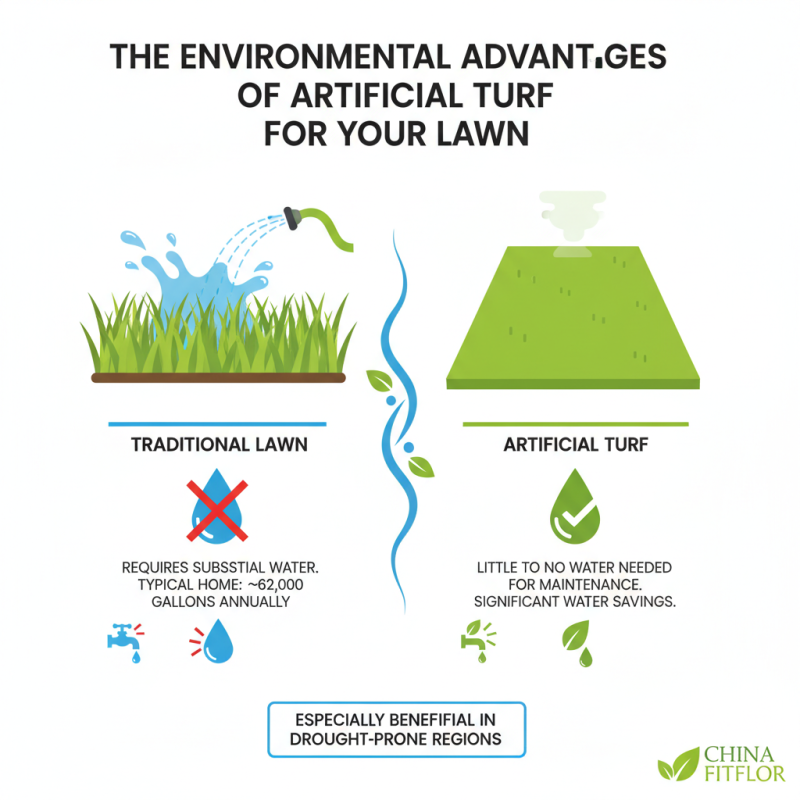
The environmental advantages of using Artificial Turf Grass for your lawn are significant. Research from the Environmental Protection Agency indicates that traditional lawns require substantial water. For instance, a typical home lawn can consume about 62,000 gallons of water annually. In contrast, artificial turf grass needs little to no water for maintenance. This shift can result in considerable water savings, especially in drought-prone regions.
Moreover, artificial turf grass eliminates the need for harmful chemicals. Lawns are often treated with pesticides and fertilizers that can leach into groundwater. A study from the American Society of Landscape Architects reports that synthetic grass reduces chemical runoff by up to 90%. This reduction protects local ecosystems and preserves water quality.
However, it’s essential to consider the environmental impact of production and disposal. While turf grass itself reduces water use, the materials involved in its manufacturing can have a carbon footprint. Many consumers are reflecting on sustainability practices. Local recycling options are evolving, but they may not be readily available everywhere. These factors warrant further discussion and evaluation, as they are crucial for a comprehensive understanding of artificial turf’s ecological implications.
Cost-Effectiveness: Long-Term Savings with Artificial Turf
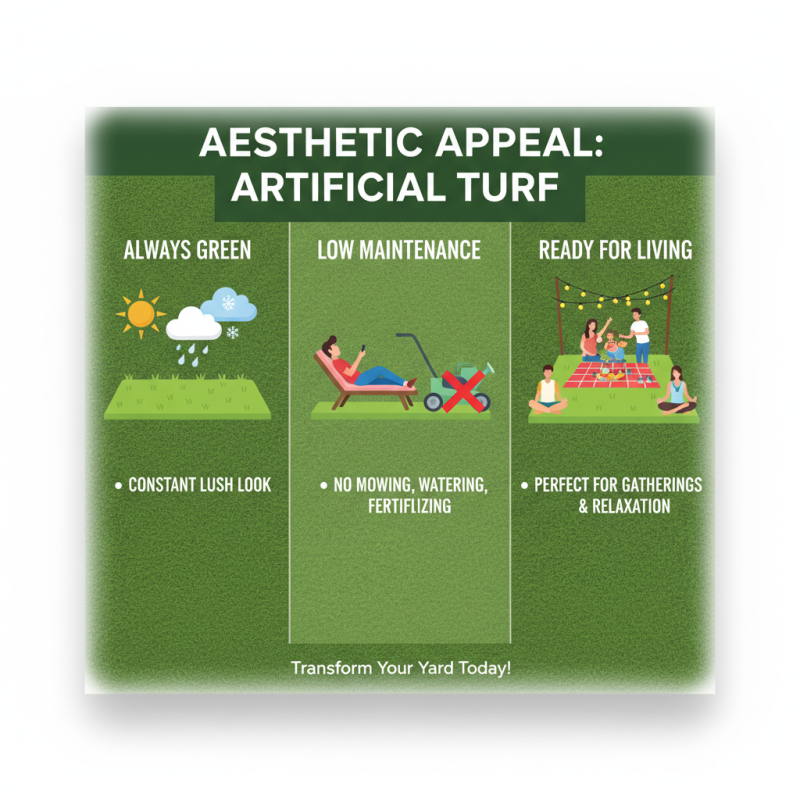
Artificial turf has become a popular choice for homeowners seeking an attractive lawn. One of the key advantages is its cost-effectiveness. While the initial installation may seem hefty, the long-term savings can be significant. With artificial turf, you eliminate the need for ongoing maintenance costs like mowing, watering, and fertilizing. Over the years, these expenses accumulate, making synthetic grass a financially wise option.
Consider the cost of water. In regions experiencing drought, water bills can skyrocket. Synthetic grass requires no water, thus providing substantial savings. Additionally, you won’t need to purchase lawn equipment, which can be expensive and time-consuming. A one-time investment in artificial turf often pays off after a few years. It's not just about the money, though; it also saves you time.
However, it is essential to consider the environmental impact. Some might argue that artificial turf can increase heat in the surrounding area. This could require additional cooling in nearby homes. It raises questions about eco-friendliness despite monetary savings. Weighing these trade-offs is crucial. Overall, while artificial turf appears beneficial, reflecting on both its advantages and disadvantages is important for informed decision-making.
Maintenance Benefits: Time and Effort Saved with Artificial Turf
Maintaining a traditional lawn can consume significant time and energy. Watering, mowing, and weeding can feel never-ending. However, switching to Artificial Turf Carpet alters the entire maintenance landscape. With this eco-friendly option, you can reclaim your weekends. Time spent on upkeep dramatically decreases. Less mowing translates to more leisure time.
Consider this: with artificial turf, there’s no need for fertilizers or pesticides. That’s a relief for your wallet and the environment. Even in dry seasons, your lawn stays green and neat. Enjoy a lush appearance year-round without the usual hassle.
If you’re transitioning to artificial grass, start with small sections. This way, you can gauge your comfort with the new material. Engage in light maintenance, like brushing the surface to prevent matting. Regular inspections help address minor issues before they escalate. Embrace the freedom of less labor while keeping your lawn vibrant and inviting.
Aesthetic Appeal: Enhancing Your Lawn's Look with Artificial Turf
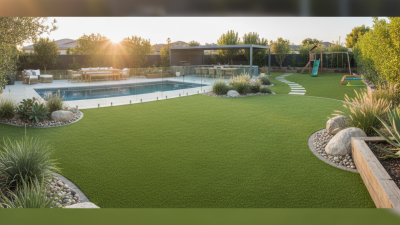
Artificial turf can beautifully enhance your lawn's aesthetic appeal. Its lush green appearance remains constant throughout the year, regardless of the weather. You can create a vibrant look without the hassle of natural grass maintenance. Imagine a verdant backyard ready for gatherings or quiet evenings.
To maximize its impact, consider mixing different turf heights and textures. This adds depth and interest to your lawn. Using colored stones or natural borders can complement the artificial grass nicely. A well-placed flower bed next to the turf can create a stunning contrast.
One common pitfall is overestimating the need for drainage. Ensure that your ground is properly prepared before installation. Poor drainage can lead to unsightly puddles. Lastly, remember that while artificial turf looks great, it may not always feel like real grass. It's essential to weigh these aspects when planning your yard.
Safety Features: Reducing Allergens and Pests with Artificial Turf
Artificial turf rolls offer numerous benefits, particularly in enhancing safety by reducing allergens and pests. Traditional lawns often harbor pollen and various insects, which can trigger allergies and pose health risks. According to the Asthma and Allergy Foundation, about 50 million Americans experience allergies each year. By using artificial turf, homeowners can mitigate these risks, creating a safer environment for families and pets.
One of the standout features of artificial turf is its resistance to pests. Natural grass can attract ticks, fleas, and other unwanted insects. A study from the University of California found that artificial grass does not provide a habitat for these pests, significantly decreasing their populations. This reduction leads to fewer insect bites and a decreased need for harmful pesticides, promoting healthier outdoor spaces.
While artificial turf is not entirely free from maintenance, it requires less effort than natural grass. Regular cleaning and occasional infill leveling suffice. However, some may express concerns about heat retention on hot days. A carefully chosen turf product can alleviate this issue, enhancing both comfort and safety. Ultimately, the choice of artificial turf rolls can contribute to a healthier, more enjoyable outdoor experience with lower allergen and pest exposure.
Versatility: Ideal Uses for Artificial Turf Beyond Lawns
Artificial turf is highly versatile, making it ideal for various applications beyond traditional lawns. For instance, many homeowners are now using artificial turf in their patios and rooftop gardens. This is particularly beneficial for urban areas where natural grass struggles to thrive. In fact, a study from the Synthetic Turf Council found that about 90% of artificial turf users appreciate its low maintenance needs and adaptability in urban settings.
Another popular application is within sports facilities and recreational areas. Artificial turf has become a preferred choice for gyms and indoor sports arenas. Its durability provides a safe, consistent surface for various activities. A report from the National Association of Home Builders indicated that nearly 70% of fitness centers are exploring options like Artificial Turf Gym Flooring for a combination of performance and aesthetic appeal. This flooring offers cushioning, reduces the risk of injury, and remains resilient under constant use.
It’s important to note, however, that while artificial turf has many advantages, users must also consider the environmental impact. The production process can be resource-intensive, which raises questions about sustainability. Homeowners and facility managers are encouraged to weigh these factors against the benefits when deciding on their turf applications.
Top 10 Benefits of Using Artificial Turf Roll for Your Lawn? - Versatility: Ideal Uses for Artificial Turf Beyond Lawns
| Benefit | Description | Ideal Uses |
| Low Maintenance | Requires no mowing, watering, or fertilizing. | Residential lawns, commercial spaces. |
| Durability | Withstands heavy foot traffic and harsh weather. | Sports fields, playgrounds. |
| Water Conservation | Reduces water usage, beneficial in drought-prone areas. | Parking lots landscaping, rooftop gardens. |
| Aesthetically Pleasing | Provides a lush, green appearance year-round. | Home gardens, commercial properties. |
| Pet Friendly | Safe for pets and easy to clean. | Dog parks, pet yards. |
| Allergy Reduction | Reduces pollen and other allergens. | Residences, commercial facilities. |
| Versatility | Can be used in various environments and applications. | Putting greens, outdoor event spaces. |
| Safe Play Surface | Provides a soft surface, reducing injury risks. | Playgrounds, sports fields. |
| Cost-Effective in the Long Run | Saves money on maintenance, water, and lawn care. | Commercial landscaping, institutional areas. |
Enhancing Safety and Comfort: Insights from Recent Industry Reports on Noise Reduction and Anti-Slip Solutions for Rubber Roll Mats
Noise reduction and anti-slip solutions are essential considerations in environments where safety and comfort are paramount. Recent industry reports highlight the critical need for effective flooring materials, particularly in high-traffic areas such as gyms and industrial sites. Reports indicate that excessive noise levels can not only hinder communication but also contribute to stress and fatigue among workers and fitness enthusiasts alike. Utilizing rubber roll mats equipped with advanced anti-slip features can significantly mitigate these concerns, creating a more pleasant atmosphere.
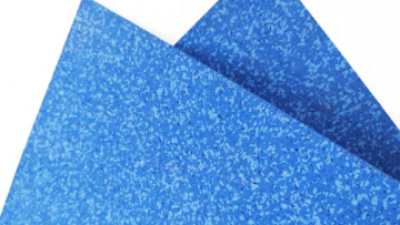
The Rubber Roll Max Style, constructed from 100% EPDM particles, serves as an exemplary product harnessing these innovative safety features. Its design leverages HT&HP technology to deliver outstanding cushioning, friction, and load-bearing capacity. Industry data suggests that high-performance rubber mats can reduce noise levels by more than 20 decibels compared to traditional flooring options, making them ideal for environments where peacefulness is a priority. Furthermore, the Max Style stands out with its range of thickness options, from 4mm to 20mm, providing flexibility to meet diverse application needs, including heavy-duty use cases like weightlifting platforms.
In addition to improving acoustic comfort, the anti-slip properties of rubber roll mats play a crucial role in preventing slips and falls, a leading cause of workplace injuries. Studies reveal that well-designed rubber flooring can significantly enhance grip, even in wet conditions. By integrating a 20mm or 40mm shock-absorbing layer, as available with the Max Style, users can expect superior performance in supporting high-impact activities while maintaining safety standards. This combination of noise reduction, anti-slip capability, and durability positions rubber roll mats as an essential investment for any facility aiming to enhance both safety and comfort.
FAQS
: Traditional lawns can use about 62,000 gallons of water annually. Artificial turf needs little to no water.
Artificial turf reduces chemical runoff by up to 90%. This helps protect local ecosystems and water quality.
The materials used in manufacturing can have a significant carbon footprint. This raises sustainability concerns for consumers.
Yes, artificial turf maintains a lush green appearance year-round. You can mix different textures for added interest.
Overestimating the need for drainage can lead to issues. Proper ground preparation is crucial to avoid puddles.
It's great for patios, rooftop gardens, gyms, and indoor sports areas. Its versatility suits urban settings well.
While it looks great, it may not feel like natural grass. Consider this aspect when planning your lawn.
Assess both the benefits and environmental impact. The production process can be resource-intensive and requires evaluation.
It thrives in areas where natural grass struggles. About 90% of users appreciate its low maintenance in such settings.
Yes, local recycling options are developing but not widely available. It's important to research your area's options.
Conclusion
Artificial turf roll offers numerous benefits that make it an excellent choice for homeowners looking to enhance their lawns. Understanding its structure and functionality is essential, as artificial turf provides significant environmental advantages, such as water conservation and reduced chemical usage. The initial investment in artificial turf roll can lead to long-term savings on water bills and maintenance costs, making it a cost-effective solution.
Furthermore, artificial turf roll saves time and effort in upkeep, eliminating the need for regular mowing, watering, and fertilizing. Its aesthetic appeal enhances the look of any landscape, providing a lush, green appearance all year round. Safety features, such as reducing allergens and pests, contribute to a healthier outdoor environment. Lastly, the versatility of artificial turf roll allows for various applications beyond traditional lawns, making it suitable for play areas, pathways, and sports fields. Embracing artificial turf roll can transform your outdoor space into a beautiful and functional area while reaping a range of practical benefits.